Introduction
In an unforeseeable world, understanding exactly how to conserve a life can be the most powerful skill one could have. Cardiopulmonary resuscitation, generally called CPR, is an essential device in emergency situation circumstances where a person's heartbeat has quit. It's vital for not only healthcare professionals however also for ordinary citizens who desire to make a distinction. This extensive post explores the nuances of mouth-to-mouth resuscitation, including its importance, methods, and the comprehensive training offered in mouth-to-mouth resuscitation courses.
Understanding CPR: The Lifesaving Abilities Educated in CPR Courses
CPR is more than simply a collection of compressions and breaths; it is a lifesaving strategy that integrates understanding with useful abilities. Comprehending mouth-to-mouth resuscitation involves identifying when it is essential and carrying out the proper actions effectively. The main objective of CPR is to maintain blood flow to crucial body organs up until professional clinical aid arrives.
Why Is Discovering CPR Important?
Lifesaving Potential: Among the most engaging reasons to learn CPR is its capacity to conserve lives. According to the American Heart Organization (AHA), instant CPR can double and even triple a target's possibility of survival after cardiac arrest.
Common Occurrences: Cardiac arrests can take place anywhere-- at home, work, or public locations. Having actually people trained in CPR raises the chance of timely assistance.
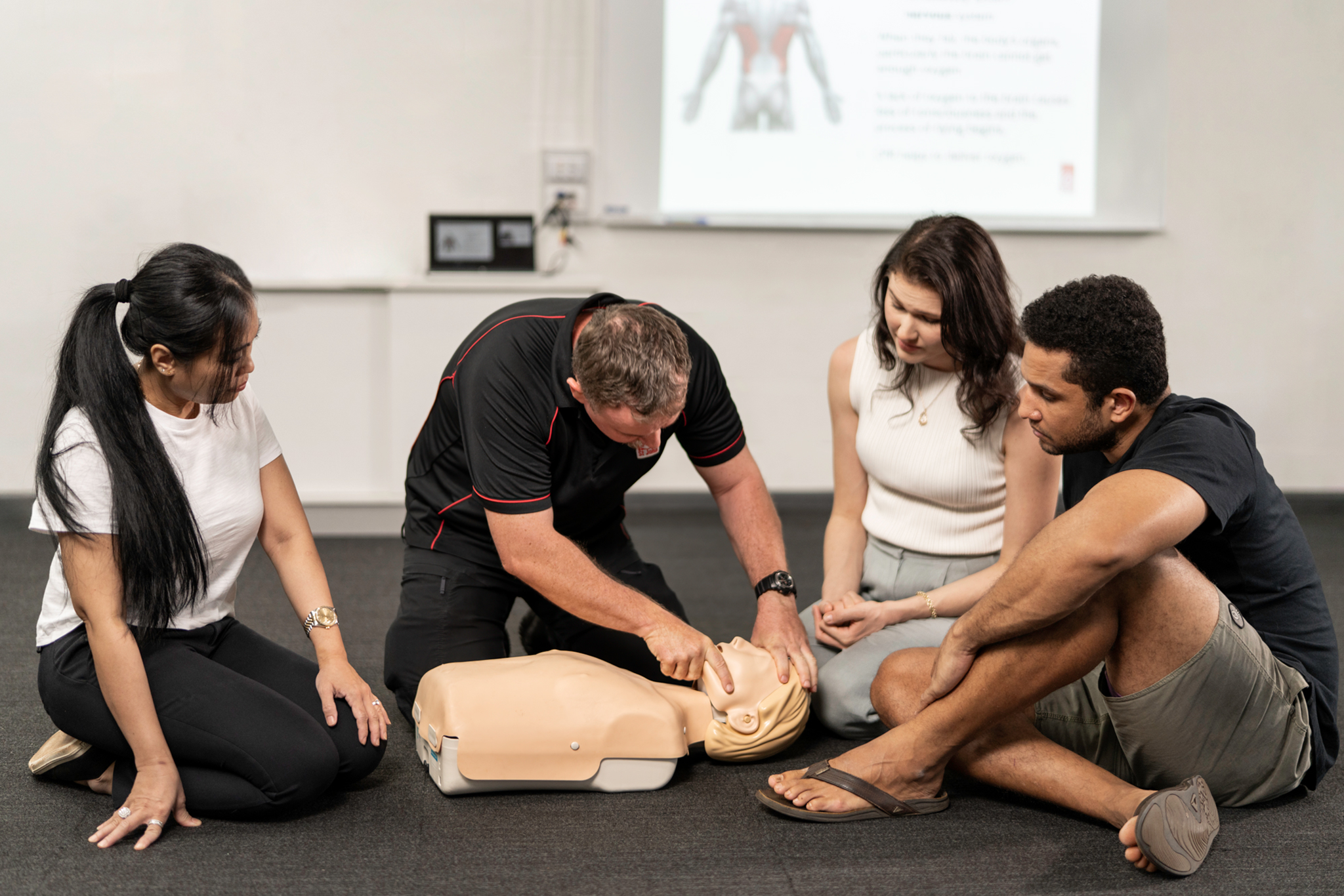
Empowerment: Understanding mouth-to-mouth resuscitation equips individuals with the confidence and capacity to act emphatically throughout emergencies.
Community Impact: A neighborhood furnished with people learnt emergency treatment and CPR develops more secure environments for everyone.
What Are the Objectives of a First Aid Course?
First aid courses commonly aim to gear up participants with necessary abilities required in emergencies:
- Understanding Basic Life Support (BLS): Individuals learn more about air passage management, breathing support, and circulation restoration. Identifying Emergencies: Training includes recognizing different emergencies like choking, drowning, or heart attacks. Learning Techniques: Practical sessions focus on hands-on learning of techniques such as breast compressions and rescue breaths.
Types of mouth-to-mouth resuscitation Courses Available
There are numerous types of mouth-to-mouth resuscitation training courses available depending upon individual needs:
Basic Life Assistance (BLS):- Aimed at doctor and professionals. Covers grown-up, kid, and infant resuscitation techniques.
- Designed for laypersons or non-healthcare professionals. Emphasizes emergency treatment basics together with adult/child/infant resuscitation.
- Convenient choice for those with tight schedules. Often includes video clip demos however lacks hands-on technique unless integrated with in-person sessions.
- Tailored programs developed for specific work environment environments. Focus on appropriate situations employees may encounter.
What Abilities Are Covered in First Aid and CPR Courses?
1. Identifying Emergencies
Participants learn how to determine crucial scenarios needing treatment quickly.
2. Carrying Out Upper Body Compressions
Chest compressions are basic in keeping blood circulation throughout cardiac arrest.

3. Carrying Out Rescue Breaths
Breathing methods make sure oxygen reaches important organs when somebody can not take a breath independently.
4. Making Use Of an Automated External Defibrillator (AED)
Training usually consists of just how to use an AED effectively, which can recover normal heart rhythms.
5. Taking Care Of Choking Incidents
Students are shown exactly how to execute stomach drives on choking sufferers both grownups and infants.
6. Handling Other Medical Emergencies
Courses may additionally cover numerous clinical scenarios like strokes or severe allergic reactions.
The Relevance of Accreditation After Completing a Course
Obtaining an emergency treatment certification after finishing your training is vital for several factors:
- It verifies your abilities and knowledge. Many offices call for certification for particular roles. It builds reputation amongst peers and employers concerning your preparedness to react in emergencies.
Detailed Explanation of Key Techniques Taught in CPR Courses
Chest Compressions: The Structure of CPR
Chest compressions are perhaps one of the most critical facet of executing reliable cardiopulmonary resuscitation since they circulate blood through a target's body even when their heart has quit defeating:
- Place your hands at the facility of the person's chest. Keep your elbow joints directly while pushing down hard and fast at a price of 100-- 120 compressions per minute. Allow full upper body recoil in between compressions for ideal blood flow.
Rescue Breaths: Providing Oxygen When It Issues Most
After every 30 breast compressions, it is vital to provide two rescue breaths if educated:

Open the respiratory tract by tilting the head back slightly. Pinch the nose shut while sealing your lips around their mouth. Give 2 breaths lasting about one 2nd each while watching for upper body rise prior to continuing compressions.
Recognizing Heart attack vs Other Emergencies
Understanding when to initiate CPR can be complicated but is extremely important:
- Look for unresponsiveness coupled without normal breathing or pulse-- this suggests heart arrest. In cases where there is still taking a breath but it shows up unusual (gasping), call emergency services promptly prior to proceeding with rescue efforts.
Using AEDs Efficiently Throughout Emergencies
An Automated External Defibrillator (AED) gives clear guidelines through visual triggers and voice commands:
Turn on the AED as quickly as you retrieve it from its case. Attach pads according to pictures on them-- one pad must exceed the right nipple area while one more goes listed below the left armpit. Ensure no person touches the sufferer while examining their heart rhythm; deliver shock if advised by gadget prompts.FAQs Concerning Comprehending CPR
Q1: For how long does it require to finish a first aid course?
A: The majority of emergency treatment training courses last between 4-- 8 hours depending upon web content deepness; sophisticated certifications might need longer sessions spread over multiple days.
Q2: Can I take an emergency treatment course online?
A: Yes! Lots of companies use blended discovering choices where academic components are completed online followed by useful assessments in person.
Q3: Is accreditation legitimate indefinitely?
A: No; accreditations generally require renewal every 2 years because of improvements in standards and practices within emergency action training fields like those entailed with first aid programs or BLS qualifications especially focused on efficient treatment shipment approaches throughout dilemmas ran into throughout various settings-- from homes through workplaces!
Q4: Will certainly I find out how to assist kids or infants?
A: Yes! Many high quality courses cover strategies customized especially toward pediatric people together with adult-focused training components guaranteeing broader applicability throughout age during emergency situations encountered day-to-day within our communities!
Q5: What are some common false impressions regarding executing CPR?
A: A widespread false impression is that you need to not try any type till experienced specialists get here; nevertheless acting promptly can dramatically enhance end results if initiated properly using info acquired through organized programs like those offered within First Aid & & CPD settings!
Q6: Do I require any kind of special equipment for my training session?
A: Generally speaking all necessary materials will certainly be offered by teachers consisting of manikins utilized method circumstances including both compression-only variations together with typical rescue breath layouts making certain comprehensive understanding gained throughout coursework carried out within assigned timeframes allocated as necessary based upon specific schedules/preferences!
Conclusion
In verdict, recognizing cardiopulmonary resuscitation (MOUTH-TO-MOUTH RESUSCITATION) furnishes individuals check here with life-saving abilities that might indicate the difference between life and fatality throughout emergencies including heart attack or various other health and wellness situations requiring immediate treatment prior to expert assistance arrives! Enrolling on your own into accredited emergency treatment courses ensures you're prepared ought to an unfavorable occasion happen around you-- equipping not only individual self-confidence yet additionally cultivating area strength total! Whether you select on the internet classes mixed discovering methods traditional classroom configurations eventually leads in the direction of acquiring beneficial insights improving feedback capabilities responding efficiently among uncertainty encountered regularly browsing uncertain conditions fundamental daily living experiences shared jointly across culture today!
By prioritizing education surrounding these vital subjects we create more secure environments cultivating more powerful connections in between people making entire areas healthier holistically progressing together united purposefully in the direction of attaining common goals imagined throughout shared journeys ahead loaded assurance hope more vibrant futures await us all-- one heartbeat at time!